I sat down with Beth and Vic to learn how they drove 42% more bookings for Giggling Squid

Specialist
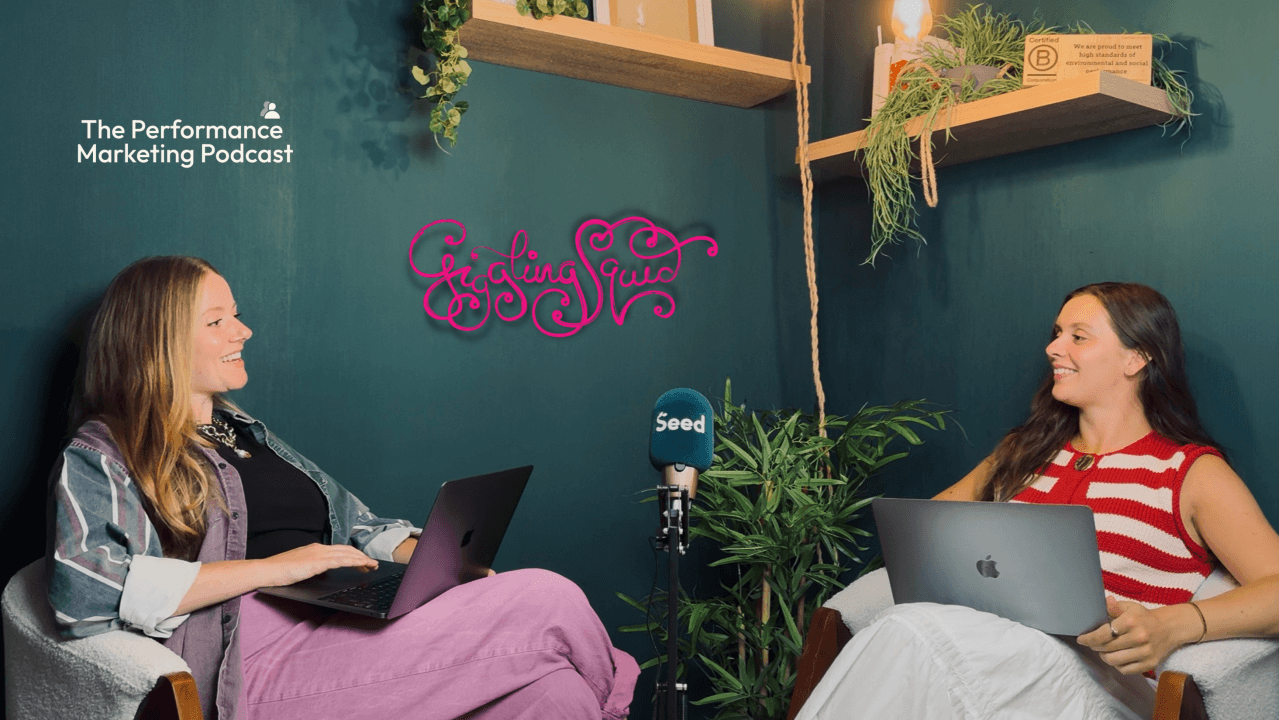
In the podcast room, Elizabeth James (our paid and organic social specialist) and Vic Vaughan (our client services specialist) walked me through their work with Giggling Squid. The headline figure was a whopping 42% more bookings for the Thai restaurant chain.
The brief
Giggling Squid has over 50 restaurants across the UK. They're a national brand, but each location feels distinctly local. When they Giggling Squid came to us, they explained their goals were to increase bookings, boost visibility, and prepare for opening lots of new restaurants. The tricky bit was that their previous marketing had been scattered. There was limited visibility over what was and wasn't working because the tracking wasn't properly set up.
There was also the added consideration of home deliveries and Deliveroo. People who order pad thai to their sofa on a Tuesday evening behave quite differently from people booking a table three weeks ahead for their mum's birthday. The tracking needed to capture all of it separately.
Building things properly first
Vic explained that infrastructure is just as important as strategy. Before launching anything, they built proper tracking so they could actually see where money was going and what it was achieving.
The key consideration was recognising that Giggling Squid's strength is its local feel. Rather than treating all 50+ restaurants the same, Beth and Vic created different personas for each location using research and the client's own customer data. A seaside restaurant attracts different people than one near a shopping centre, which sounds obvious but individual locations can rarely get their own strategies. Beth ended up managing around 120 different ad groups, each one tailored to a specific location right down to postcode level.
They looked at catchment areas, transport links, and wrote different messages for different communities. This meant they could shift budgets around as needed: building awareness for new openings weeks before launch, or giving established restaurants a boost when they needed it.
Going this local also showed them seasonal patterns. Seaside branches were busier in summer, restaurants near shopping centres peaked at Christmas. Focusing on these smaller areas rather than trying to do everything at once turned out to drive proper national impact.
Working together
Both Beth and Vic said communication was essential. They worked closely with the Giggling Squid team, getting weekly booking data and using project tools to keep track of what was happening where. Each location often ran different offers, so staying organised was crucial.
They also worked with Giggling Squid's creative agency, using their brand work in paid campaigns to keep everything consistent. Beth loved this collaboration with an external creative agency, and she said this additional creative bank boosted campaigns massively.
The numbers
The results were stunning:
- •
Meta bookings increased by 42%
- •
Brand impressions grew by 49%
- •
Cost per booking decreased by 10.7%
That last one matters quite a bit when you're trying to reach people in tight geographical areas.
What I took from our chat in our lovely little podcast room, is that being precise matters more than being broad. They went granular rather than trying to apply one approach everywhere. Small, consistent wins across individual locations added up to proper growth.
Vic's way of putting it was perfect: "If strategy is the ship you're building, infrastructure is the engine and rudder. Without it, you're just drifting." For Giggling Squid, the ship got where it needed to go. 🛳️
Ready to grow?
Want results like this?
Book a free discovery call and we'll show you exactly how we'd approach your growth.
More to read
Related articles
.png)


Let's build something that performs
Whether you're scaling up or shaking things up, we'd love to chat about how we can help. No hard sell — just a conversation about your goals.